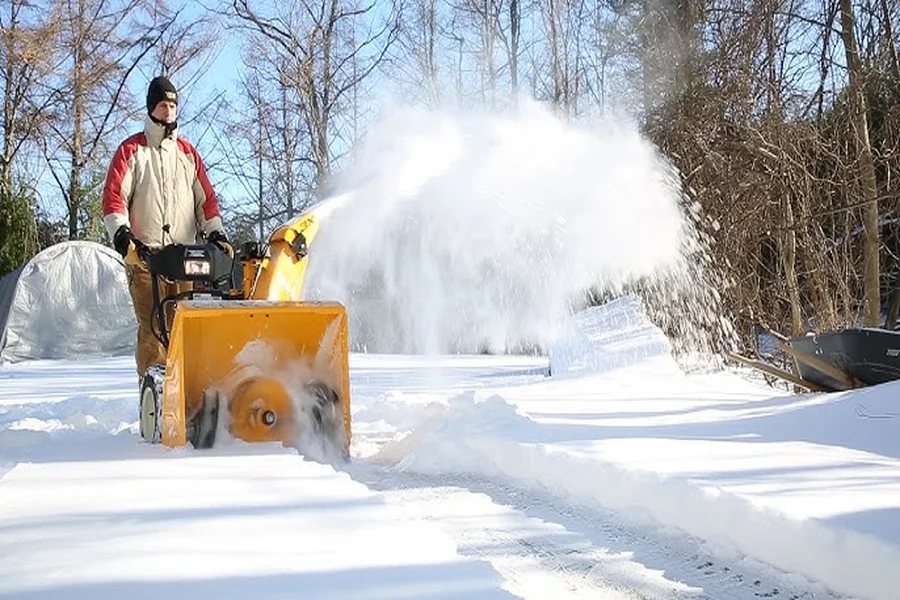
When winter storms roll in, clearing snow quickly can make the difference between a safe walkway and a slippery hazard. For homeowners who regularly deal with light to moderate snowfall, investing in equipment that’s appropriately sized for the job often delivers better value than purchasing the largest machine available. After more than a decade of evaluating outdoor power equipment in varying winter conditions, I’ve found that many homeowners overestimate their snow removal needs.
For driveways, sidewalks, patios, and short pathways that receive several inches of snow at a time, a single stage snow blower often provides the ideal combination of maneuverability, efficiency, and ease of use. Understanding which features truly improve performance can help you make a purchase that delivers reliable results for many winters to come.
Why Single Stage Snow Blowers Are Ideal for Light Snowfall
Single stage snow blowers are designed to clear freshly fallen snow efficiently without the added size and complexity of larger machines.
Unlike two-stage models, a single-stage unit uses one high-speed auger to both collect and discharge snow through the chute. This simplified design offers several practical advantages.
Benefits include:
- Lightweight operation
- Easier storage
- Faster maneuvering
- Lower maintenance requirements
- Excellent performance on paved surfaces
For homeowners who receive between 2 and 8 inches of snowfall during most winter events, this type of machine often provides more than enough clearing capability.
Understanding When a Single Stage Model Makes Sense
Before comparing specifications, consider your property and local winter conditions.
A single stage snow blower is generally best suited for:
- Concrete driveways
- Asphalt driveways
- Sidewalks
- Walkways
- Decks and patios
- Smaller residential properties
If your region frequently experiences deep, heavy snow exceeding 10 to 12 inches or steep gravel driveways, a larger two-stage or three-stage machine may be a better fit.
Matching equipment to actual snowfall patterns is one of the smartest buying decisions homeowners can make.
Clearing Width and Intake Height Matter More Than You Think
Two of the first specifications you’ll encounter are clearing width and intake height.
Clearing Width
A wider clearing path reduces the number of passes needed.
Common residential widths include:
- 18 inches
- 20 inches
- 22 inches
- 24 inches
Larger widths improve productivity but may slightly reduce maneuverability in narrow areas.
Intake Height
The intake height determines how much snow the machine can collect in a single pass.
For regions with consistent light snowfall, moderate intake heights generally provide excellent performance without adding unnecessary bulk.
Battery-Powered vs. Gas Models
Today’s cordless technology has significantly expanded homeowners’ options.
Battery-Powered Models
Advantages include:
- Push-button starting
- Lower maintenance
- Quieter operation
- No gasoline storage
- Reduced emissions
These models are ideal for homeowners seeking convenience and simplified seasonal maintenance.
Gas Models
Gas-powered snow blowers may be better suited for:
- Longer driveways
- Frequent back-to-back storms
- Remote areas without charging access
For many suburban homes, modern cordless models now offer enough runtime and power for routine snow removal while eliminating many maintenance tasks associated with gas engines.
Look for Features That Improve Everyday Usability
Not every feature contributes equally to real-world performance.
Prioritize options such as:
- Adjustable discharge chute
- LED headlights
- Ergonomic handles
- Foldable storage handles
- Variable speed control
- Quick chute rotation
These additions improve both comfort and efficiency during early morning or evening snow removal.
Throwing Distance Isn’t the Only Performance Metric
Many buyers focus heavily on advertised throwing distance.
While it matters, consistent snow movement is often more important.
Performance also depends on:
- Snow moisture content
- Wind conditions
- Auger speed
- Chute design
- Machine balance
Dry, powdery snow naturally throws farther than wet, compacted snow regardless of machine specifications.
Choosing equipment based solely on maximum throwing distance can be misleading.
Practical Buying Checklist for Homeowners
Before purchasing, answer these questions:
- How much snow does my area typically receive?
- What surfaces will I clear?
- How large is my driveway?
- Do I have storage space limitations?
- Would quieter operation benefit my neighborhood?
- Do I already own compatible cordless outdoor tools?
This simple checklist helps narrow your choices based on practical needs rather than marketing claims.
Common Mistakes Buyers Make
After years of evaluating residential snow equipment, several purchasing mistakes appear repeatedly.
Buying a Machine That’s Too Large
Oversized equipment often becomes harder to maneuver and store without providing meaningful benefits for light snowfall.
Ignoring Storage Requirements
Some homeowners discover too late that their new machine barely fits inside the garage.
Foldable handles can make a noticeable difference during off-season storage.
Overlooking Battery Compatibility
If purchasing a cordless model, check whether batteries work across other outdoor power equipment you already own or may purchase later.
A shared battery platform often improves long-term value.
Waiting Until the First Snowstorm
Inventory becomes limited once winter weather arrives.
Shopping before the season begins typically provides better selection and allows time to become familiar with the machine.
Operating Tips for Better Snow Removal Results
Proper technique improves both efficiency and machine performance.
For the best results:
- Clear snow soon after it falls.
- Overlap each pass slightly.
- Adjust the chute away from buildings and vehicles.
- Remove snow before foot traffic compacts it.
- Keep the auger housing free of packed snow after use.
Clearing smaller amounts more frequently often requires less effort than waiting until snow accumulates deeply.
Maintenance Habits That Extend Equipment Life
Routine care keeps your snow blower operating efficiently season after season.
After every use:
- Brush away remaining snow.
- Allow the machine to dry before storage.
- Inspect the auger for damage.
- Tighten loose hardware.
- Recharge batteries before long-term storage if using a cordless model.
Simple maintenance helps preserve performance while reducing unexpected repairs.
Single Stage vs. Two-Stage Snow Blowers
If you’re deciding between machine types, here’s a quick comparison.
Single Stage Snow Blowers
Best for:
- Light to moderate snowfall
- Paved driveways
- Smaller properties
- Quick cleanup
- Easy storage
Two-Stage Snow Blowers
Better suited for:
- Heavy snowfall
- Deep snowdrifts
- Large driveways
- Gravel surfaces
- Rural properties
For many homeowners in regions with moderate winter weather, a single-stage model offers the right balance of capability, convenience, and value.
Final Thoughts
Choosing a single stage snow blower isn’t about finding the biggest or most powerful machine—it’s about selecting equipment that matches your property’s needs and your local winter conditions. Features such as clearing width, battery platform, maneuverability, chute control, and storage design often have a greater impact on daily use than headline performance numbers.
By focusing on practical usability instead of unnecessary capacity, homeowners can enjoy faster snow removal, easier storage, and dependable winter performance for years to come.
Frequently Asked Questions
How much snow can a single stage snow blower handle?
Most single-stage models perform best in fresh snow up to about 8 inches deep, though performance varies depending on snow density and machine specifications.
Can a single stage snow blower be used on gravel driveways?
Most are designed for paved surfaces. Gravel driveways are generally better suited for two-stage snow blowers because their augers don’t contact the ground.
Are cordless snow blowers powerful enough for residential use?
Yes. Modern battery-powered models provide ample power for light to moderate snowfall on typical residential driveways and sidewalks.
When is the best time to clear snow?
Removing snow shortly after it falls helps prevent compaction and reduces the effort required during clearing.
Where can I learn more about winter weather preparedness?
The National Weather Service (NWS) provides winter storm safety guidance, and the Federal Emergency Management Agency (FEMA) offers resources on preparing homes and families for severe winter weather.