Choosing a preschool can feel challenging because every parent wants an environment where their child feels secure, valued, and excited to learn. When families search for a top preschool near me, the decision should involve much more than comparing classrooms or looking at a daily timetable.
High-quality early education supports the whole child. It combines communication, movement, creativity, practical experiences, social interaction, and early academic concepts in developmentally appropriate ways. Knowing which signs to look for can help parents identify an environment that genuinely supports their child’s growth.
Start by Observing the Children
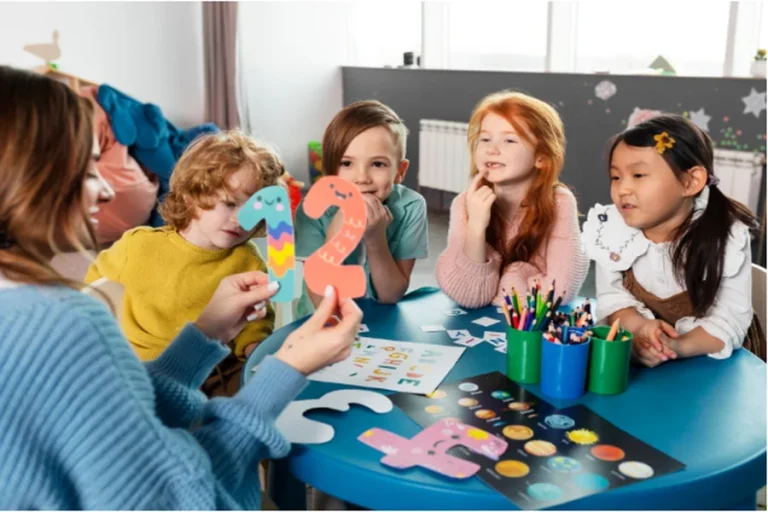
One of the simplest ways to understand a preschool is to observe the children already attending it.
A healthy learning environment does not necessarily mean every child is silent or completing the same activity. Preschool classrooms naturally contain conversation, movement, questions, and exploration.
When comparing a top preschool near me, parents should notice whether children appear comfortable enough to participate.
Are they interacting with teachers? Are they exploring activities? Do they seem able to ask for assistance?
These everyday observations can reveal more than an impressive classroom display.
Look Closely at Teacher-Child Relationships
Teachers have a major influence on children’s preschool experiences. Young learners need educators who provide clear boundaries while remaining patient, approachable, and encouraging.
Respectful Communicat ion Is Essential
Notice how educators speak when children make mistakes or need reminders.
Supportive teachers explain expectations without unnecessary criticism. They listen to children’s questions and provide enough time for them to respond.
Parents evaluating a top preschool near me should also consider whether teachers encourage children to attempt manageable tasks independently rather than immediately doing everything for them.
This balance between support and independence can build confidence.
A Strong Classroom Encourages Active Learning
Young children usually understand concepts best when they can interact with their environment.
Hands-on activities involving building, sorting, counting, drawing, matching, storytelling, sensory exploration, and practical tasks can transform learning into an active process.
Curiosity Should Have Space to Grow
Children naturally ask questions because they are trying to understand the world.
A quality preschool does not treat every unexpected question as a distraction. Educators can use children’s curiosity to encourage observation and conversation.
Parents searching for a top preschool near me can ask how teachers respond to children’s interests and whether activities allow room for exploration.
Play Should Be Part of the Learning Experience
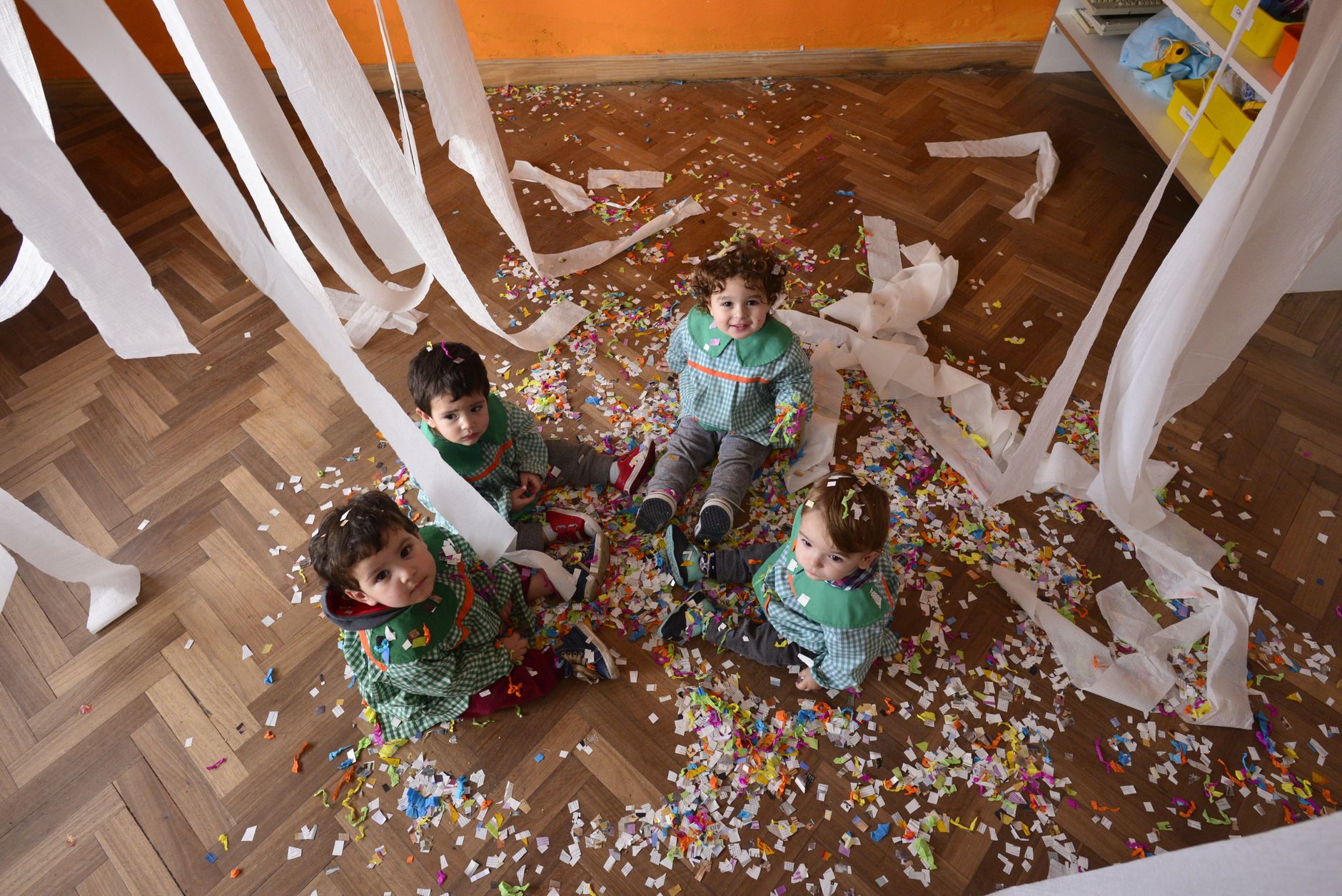
Play and learning are not opposites during early childhood. In many situations, they happen simultaneously.
During imaginative play, children develop communication and social understanding. Building activities can introduce planning and spatial awareness. Outdoor games strengthen coordination while encouraging cooperation.
A balanced preschool schedule should provide both guided experiences and opportunities for children to explore more freely.
This variety can keep children engaged without turning their preschool day into an overly formal academic routine.
Independence Should Develop Gradually
Preschool provides countless opportunities for children to become more capable.
Putting away belongings, choosing an activity, organizing materials, washing hands, and helping tidy a workspace are simple examples.
These responsibilities help children understand that they can contribute to their environment.
Adults Should Allow Time for Practice
Children naturally take longer than adults to complete many everyday tasks. Constantly rushing or stepping in can remove valuable opportunities to practice.
A top preschool near me should provide reasonable time for children to attempt age-appropriate responsibilities while offering assistance when genuinely necessary.
Social and Emotional Growth Deserves Attention
Early education involves learning how to function within a community.
Children need opportunities to communicate preferences, take turns, share spaces, listen to peers, and participate in groups.
Disagreements will occasionally happen. Skilled educators can guide children toward expressing feelings and finding simple solutions.
These experiences help children develop emotional awareness alongside academic readiness.
Safety and Hygiene Remain Fundamental
Even an excellent learning program cannot compensate for weak safety practices.
Parents should ask about supervision, secure access, emergency procedures, hygiene routines, and the maintenance of activity areas.
Classrooms and outdoor spaces should be appropriate for young children, while learning materials should suit their developmental stage.
When comparing a top preschool near me, parents should expect safety and cleanliness to be consistent parts of everyday operations.
Consider How the Location Fits Your Routine
Preschool attendance becomes part of daily family life. Consequently, accessibility can affect punctuality, consistency, and the stress surrounding morning and afternoon routines.
Families exploring preschool options in Whitefield can check the preschool learning location in Whitefield when considering travel time and regular drop-off and pickup arrangements.
Convenience should complement educational quality, but a manageable journey can make everyday routines easier for both children and parents.
Ask About Parent Communication
Parents should understand how information about their child’s preschool experience is shared.
Useful communication may include observations about participation, developing skills, interests, routines, and social interactions.
Communication Should Work Both Ways
Families should also have opportunities to share relevant information from home.
Children’s routines and behaviour can change as they develop. Open communication allows educators and parents to understand these changes and provide more consistent support.
A collaborative relationship can make the preschool experience more connected.
Trust a Visit More Than a Checklist Alone
Checklists are helpful, but parents should also pay attention to the atmosphere they experience during a preschool visit.
Observe whether educators seem genuinely engaged with children. Notice whether the classroom feels purposeful without being excessively controlled.
Most importantly, consider whether you can imagine your child feeling comfortable in that environment.
A top preschool near me should match the child’s developmental needs as well as the family’s expectations.
Conclusion
Finding a top preschool near me involves examining the quality of everyday experiences rather than relying on a single feature. Teacher relationships, active learning, play, independence, social development, safety, hygiene, communication, and location all contribute to the overall experience.
Parents should visit potential settings, observe classroom interactions, and ask questions about how children spend a typical day.
A strong preschool gives children appropriate structure without limiting their natural curiosity. When children feel secure, respected, and encouraged to participate, they can develop confidence, communication skills, independence, and a positive attitude toward learning that supports future educational experiences.