Modern workwear succeeds because it is useful without feeling overly rugged. A well-fitting jacket, comfortable trousers, and practical shoes can handle a commute, a casual office day, errands, travel, or dinner with friends. Instead of buying separate outfits for every day of the week, build around pieces that look better with repeated wear. For a classic starting point, Bill’s Khakis offers a khaki chore coat collection built around American workwear influences, durable fabrics, functional pockets, and clean classic fits. As a brand focused on versatile menswear for everyday wear across the United States, Bills Khakis provides a useful reference for readers seeking an outer layer that works with jeans, cords, khakis, and lightweight knitwear, rather than a narrowly styled outfit.
Why Workwear Fits Modern Daily Life
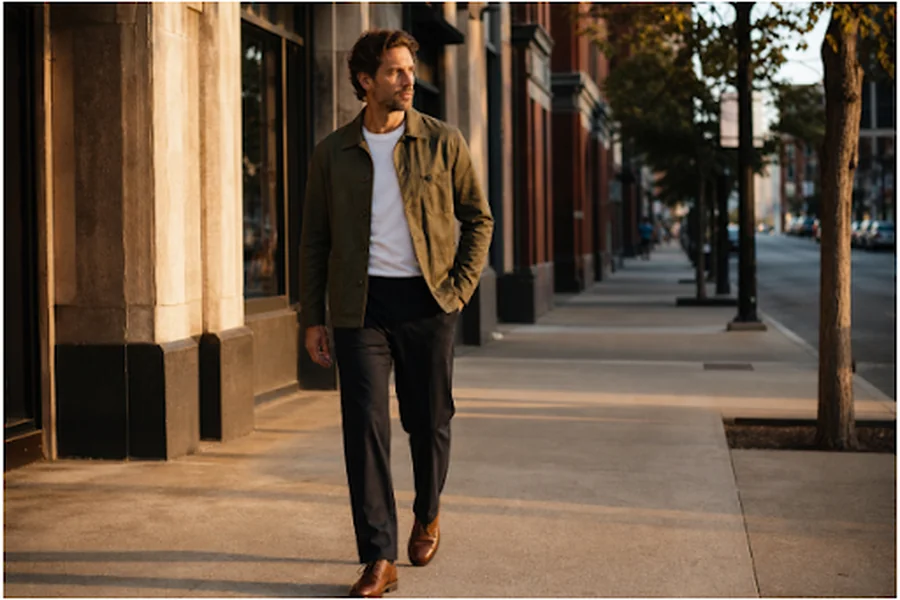
Workwear jackets make simple clothing feel intentional. The same olive jacket can sit over a white tee and dark denim on Saturday, then work with a pale blue Oxford and tailored trousers on Monday. That flexibility matters when comfort, movement, and repeat styling are more valuable than clothes worn once for a single occasion. The goal is not to dress like you are headed to a job site. It is to borrow the best qualities of workwear: sturdy construction, uncomplicated shapes, useful details, and fabrics that can withstand a full day. A wardrobe built this way is easier to pack, maintain, and wear with confidence.
Start With the Right Jacket Shape
Fit determines whether a workwear jacket looks relaxed or careless. A straight, classic silhouette is usually the easiest option because it layers well while still looking tidy. Slightly tailored styles can feel sharper for the office, while cropped jackets work best with mid- or high-rise trousers. Roomier cuts are comfortable, but they need balance below the waist.
- Check the shoulders: The seam should land near your natural shoulder point, not far down the arm.
- Watch sleeve length: Sleeves should finish near the wrist, leaving room for a cuff to show if desired.
- Consider the hem: A hem that ends around the hip is versatile with both jeans and trousers.
- Leave layering room: You should be able to wear a shirt or light sweater underneath without pulling across the back.
A loose jacket, loose trousers, and an oversized top can overwhelm the body. If the jacket is relaxed, choose straighter pants, a cleaner knit, or more streamlined shoes to keep the outfit grounded.
Choose Fabrics That Match Your Schedule
Fabric affects how a jacket looks at 8 a.m. and how it feels at 6 p.m. Judge it after a few hours of sitting, walking, commuting, and carrying daily essentials, not only by its appearance on a hanger. The best choice should match your climate, your indoor temperature, and the level of movement your day requires.
- Light cotton twill: Good for spring, summer evenings, and travel. It is breathable and easy to layer, but provides limited warmth.
- Canvas: A strong choice for cool weather and high-wear routines. It has structure, though it may feel stiff before it softens.
- Denim: Casual, durable, and familiar. Use it when you want texture without adding too much visual bulk.
- Corduroy: Ideal for fall and relaxed weekends. Its texture adds depth, so keep the rest of the outfit simple.
- Linen blends and lightweight wool: Useful for warm climates or polished casual settings, although wool may require more careful cleaning.
A foundation of quality basics makes outfit planning easier. A practical capsule of light jackets, jeans, chinos, tailored trousers, boots, and loafers gives you enough variety to adjust for work, weather, and weekend plans without starting over each morning.
Build a Simple Color System
Choose two core neutrals, one earth tone, and one lighter accent. Navy, charcoal, brown, beige, olive, ecru, and khaki combine easily because none demands too much attention. When the palette stays calm, texture from twill, corduroy, suede, denim, or knitwear can do the interesting work.
- Olive jacket, white tee, dark denim, and brown shoes.
- Navy jacket, pale blue shirt, gray trousers, and black loafers.
- Brown jacket, cream knit, olive trousers, and suede sneakers.
Use Three Reliable Outfit Formulas
1. Casual Weekday
Wear a fitted T-shirt, straight-leg trousers, a workwear jacket, and clean sneakers. Switch to darker denim if your workplace is more relaxed, or use chinos for a slightly neater finish.
2. Smart Casual Office
Pair an Oxford shirt with chinos or pleated trousers, then add a structured jacket and loafers. Tuck in the shirt, keep the colors restrained, and avoid visibly worn sneakers when the setting calls for more polish.
3. Weekend Layering
Use a fine-gauge sweater or flannel shirt, relaxed jeans, a jacket, and sturdy boots. This formula has enough warmth for outdoor plans while still looking considered for lunch or a casual evening out.
Make Practical Details Work for the Outfit
Patch pockets, reinforced seams, cuffs, buttons, and collars give a jacket its character, but they should serve a purpose. The mix-and-match approach to refined separates is especially effective when utility details are paired with clean trousers, simple shirts, and unfussy footwear. Use pockets thoughtfully. A phone in one chest pocket and a wallet, keys, and a charger crammed into another can distort the jacket’s shape. Carry heavier items in a bag when possible, and keep the garment looking as balanced as it did when you put it on.
Adjust for Dress Codes and Seasons
The jacket may stay the same while everything around it changes. In a relaxed office, try dark denim, a knit polo, and clean leather sneakers where permitted. In a more formal setting, wear pressed trousers, a tucked-in shirt, a refined jacket, and leather loafers or derbies. Always follow your workplace’s actual expectations rather than assuming smart casual means the same thing everywhere. For spring, layer a lightweight jacket over a tee or casual button-down. In summer, treat it as an evening layer in cotton-linen blends. Add flannel, corduroy, or knitwear in the fall. During winter, wear the jacket beneath a wool coat or an insulated outer layer instead of relying on a single bulky piece. Removable layers make temperature swings far easier to manage.
Care Tips and Common Mistakes
- Check the care label before washing or dry cleaning.
- Air out jackets between wears and spot-clean small marks when possible.
- Use a sturdy hanger and store the jacket somewhere dry and ventilated.
- Repair loose buttons, worn seams, or small tears early.
- Avoid buying a jacket that works with only one outfit or one season.
- Do not let trends override comfort, climate, fit, or your real routine.
Frequently Asked Questions
Can a workwear jacket be worn to the office?
Yes, when the office permits smart-casual attire. A clean fit, refined fabric, pressed trousers, and polished shoes will make it feel appropriate.
What should be worn under a workwear jacket?
T-shirts, Oxford shirts, knit polos, flannels, and lightweight sweaters all work well. Choose based on weather and formality.
How many workwear jackets does a small wardrobe need?
One versatile jacket is enough for most people. A second becomes useful when you need a different weight, fabric, or level of polish.
Conclusion
Easy workwear is built on balance: practical fabric, controlled fit, calm color, and details that earn their place. Start with one adaptable jacket, then use familiar layers and shoes to change the mood. Neutral trousers, simple knitwear, and clean footwear can create multiple combinations without making the wardrobe feel repetitive. Choose pieces that are comfortable enough for long days while still looking polished for meetings, errands, or casual plans after work. Accessories can add personality without overwhelming the outfit, whether through a simple watch, bag, belt, or understated jewelry. The best outfit is not the most complicated one. It is the one that feels right on a busy weekday, remains comfortable through the evening, and still works on the weekend. A flexible wardrobe makes getting dressed easier while leaving room for personal style and changing routines.