Online learning has changed the way people access education. In the past, learning often depended on being physically present in a classroom, attending scheduled lessons, and following a fixed curriculum. Today, people can study from almost anywhere, choose from thousands of subjects, and learn at a pace that fits their own schedule. This has made education more flexible and has created new opportunities for students, professionals, and lifelong learners.
The biggest advantage of online learning is accessibility. Someone can take a course from another country, learn directly from experts, or improve a professional skill without leaving home. This is especially useful for people who work full time, live far from educational institutions, or need to combine learning with other responsibilities. Digital education also gives learners more control over when and how they study.
Online education has also become more visual and interactive. Lessons often include videos, diagrams, quizzes, presentations, and creative content that helps explain ideas in different ways. Educators may also use tools such as a meme creator to make certain concepts more relatable, memorable, and easier to understand. When learning materials are varied and engaging, students are often more likely to stay focused.
Learning Is No Longer Limited by Location
One of the biggest changes brought by online education is the removal of geographic barriers.
A student in one country can attend a course created by a university or expert in another.
Professionals can join international workshops.
Language learners can practice with native speakers.
People interested in niche subjects can often find communities and courses that would not be available locally.
This creates a much larger learning environment.
Education is no longer limited to the institutions nearby.
Flexible Schedules Make Learning Easier to Manage
Traditional education usually follows a fixed timetable.
Online learning can be much more flexible.
Some courses are live, but many allow students to watch lessons and complete assignments whenever they have time.
This is particularly helpful for working professionals.
Someone might study early in the morning, during a lunch break, or in the evening.
The ability to organize learning around existing responsibilities makes education easier to continue long term.
However, flexibility also requires discipline.
Without a fixed schedule, it can be easy to delay lessons.
Successful online learners usually create their own routine.
People Can Learn at Their Own Pace
Not everyone learns at the same speed.
In a traditional classroom, the entire group usually moves through the material together.
Online learning often gives students more control.
A difficult lesson can be watched again.
A simple topic can be completed quickly.
Students can pause videos, take notes, and review information before moving forward.
This can reduce pressure.
Learners do not need to pretend they understand something simply because the class has moved on.
They can spend additional time where it is needed.
Online Learning Supports Career Development
Digital education has become especially important for professional growth.
Industries change quickly.
New software appears.
Work processes evolve.
Skills that were valuable five years ago may need to be updated.
Online courses allow professionals to learn without leaving their jobs.
Someone working in marketing may study data analytics.
A designer may learn a new software tool.
A manager may take a leadership course.
A developer may learn a new programming language.
This makes continuous learning easier.
Short Courses Make Skill Development Faster
Not every learner needs a full degree.
Sometimes a person only needs one specific skill.
Online education makes this possible through short courses, workshops, and focused training.
Instead of committing to a long academic program, learners can study exactly what they need.
This is useful in fast-moving industries.
A professional can learn a new platform or method in a few days or weeks.
That skill can then be applied immediately.
Short-form education makes learning more practical.
Video Has Become a Major Learning Format
Video is one of the most useful tools in online education.
It allows teachers to combine explanation with demonstration.
A coding instructor can show how a program works.
A designer can demonstrate a workflow.
A language teacher can model pronunciation.
A science instructor can show an experiment.
This makes learning more concrete.
Students can see how something is done rather than simply reading about it.
Video also gives learners control.
They can pause, rewind, and replay difficult sections.
Interactive Learning Improves Engagement
Online learning is no longer limited to watching lectures.
Many platforms include quizzes, exercises, discussion boards, simulations, and projects.
These tools make learning more active.
Instead of only consuming information, students are asked to apply it.
This is important because active learning usually produces stronger understanding.
A person may watch a tutorial and feel that they understand it.
But the real test comes when they try to use the skill.
Exercises reveal gaps that passive viewing may hide.
Feedback Is Becoming Faster
Digital platforms can provide immediate feedback.
A quiz can show which answers were wrong.
A language application can correct pronunciation.
A coding platform can identify errors.
This is valuable because learners do not have to wait days for feedback.
They can adjust immediately.
Fast feedback supports improvement.
However, automated feedback has limits.
Some tasks still require human evaluation.
Writing, creative work, communication, and complex reasoning often benefit from detailed feedback from a teacher or mentor.
Online Communities Support Learning
One of the strongest parts of digital education is community.
Students can join forums, group chats, and professional communities.
They can ask questions.
Share resources.
Discuss assignments.
Support each other.
This makes online learning feel less isolated.
Communities are especially valuable for difficult subjects.
When learners see that others are facing similar challenges, they may feel more motivated to continue.
Peer discussion can also reveal different ways of understanding the same topic.
Learning Has Become More Global
Online education connects people from different cultures and backgrounds.
Students may work on projects with people from several countries.
They may hear different perspectives.
They may encounter examples that would not appear in a local classroom.
This can improve cultural awareness.
It also prepares people for international workplaces.
Many modern teams are already global.
Learning in diverse online environments can help students develop communication skills that are useful later.
Online Education Can Be More Affordable
Traditional education can be expensive.
Tuition, transportation, housing, and materials all add costs.
Online learning can sometimes reduce these expenses.
Many courses are affordable.
Some are free.
Digital resources replace physical textbooks in many cases.
Learners can study from home.
This makes education accessible to people who may not have the budget for traditional programs.
However, affordability varies.
Some online degrees and professional programs are still expensive.
The benefit is that learners have more options.
Not Every Online Course Is High Quality
The growth of online education has created one challenge: quality varies.
Some courses are excellent.
Others are outdated, poorly structured, or too superficial.
Learners need to evaluate courses carefully.
Look at the instructor’s background.
Check reviews.
Review the curriculum.
See whether the course includes practical work.
Ask whether the material is current.
A low price does not automatically mean a bad course.
A high price does not guarantee quality.
Good evaluation is important.
Certificates Are Becoming More Common
Many online platforms provide certificates after course completion.
These can be useful for showing professional development.
They may help demonstrate that someone has studied a specific skill.
However, a certificate is not the same as competence.
Employers often care more about whether someone can actually perform the skill.
A portfolio, project, or practical example may be more convincing.
Certificates are most useful when they are combined with real ability.
Self-Discipline Is Essential
Online learning provides freedom, but freedom can create problems.
Without a teacher physically present, students need to manage their own time.
It is easy to postpone lessons.
Other responsibilities can take priority.
Notifications and social media can create distractions.
This is why successful online learners often create structure.
They set study times.
They define weekly goals.
They reduce distractions.
They track progress.
Online learning works best when flexibility is combined with consistency.
A Good Study Environment Matters
Environment affects concentration.
Studying from bed while checking a phone every few minutes makes learning harder.
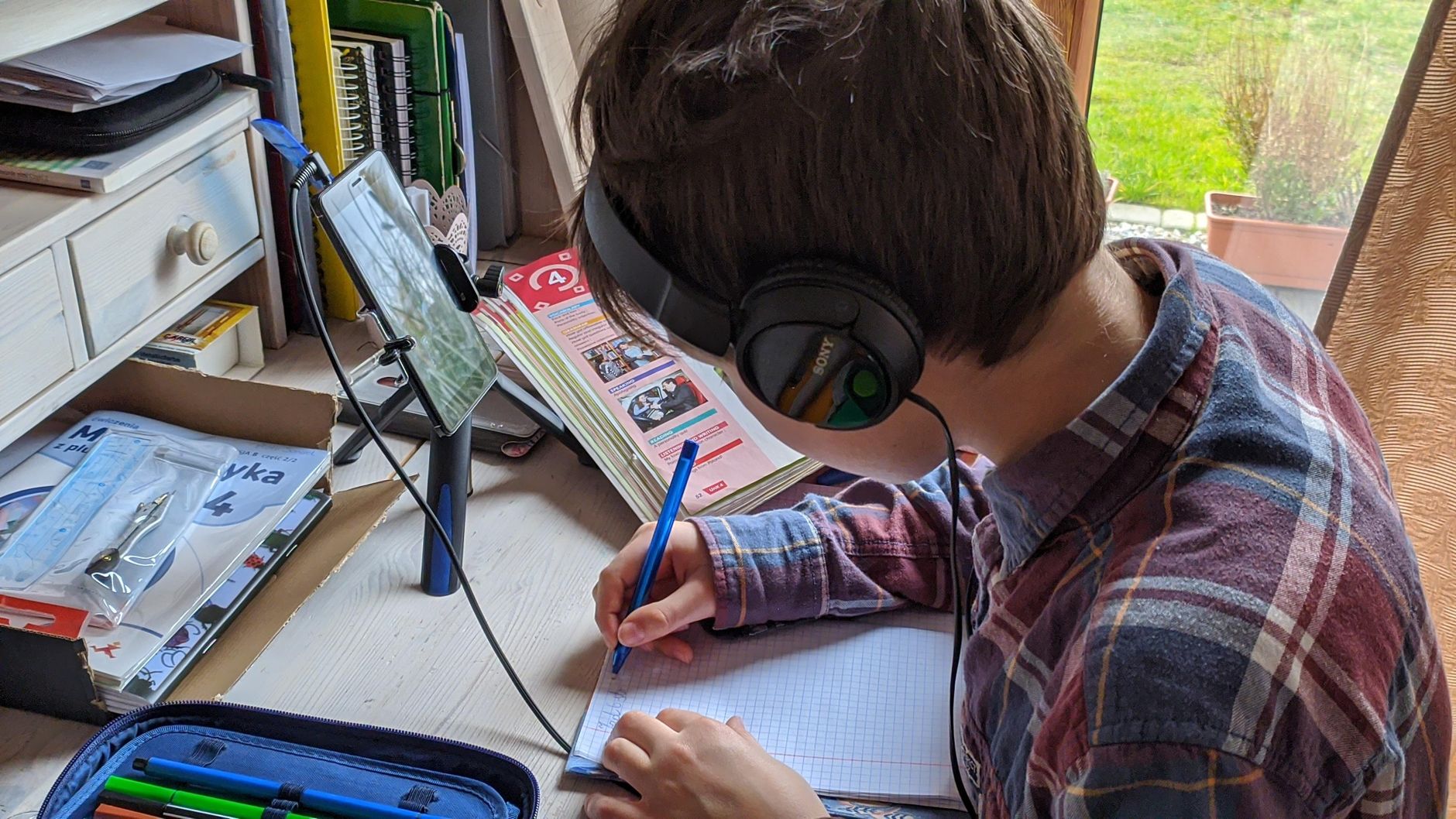
A simple, quiet workspace can improve focus.
Students do not need a perfect office.
They only need a place where distractions are reduced.
Headphones can help.
Notifications can be turned off.
The browser can be limited to necessary tabs.
Small changes can create a more effective learning environment.
Online Learning Encourages Independent Thinking
Digital education often requires learners to take more responsibility.
They decide what to study.
They choose when to study.
They look for additional resources.
They solve problems independently.
This can strengthen self-directed learning skills.
These skills are valuable far beyond education.
Modern professionals frequently need to teach themselves new tools and methods.
The ability to learn independently has become a major career advantage.
Learning Platforms Use Personalization
Some digital platforms personalize lessons based on learner behavior.
If a student struggles with a topic, the system may provide additional practice.
If they perform well, they may move ahead faster.
This creates a more customized experience.
Personalization can reduce frustration.
Students spend more time on areas where they need help.
However, automated systems should not completely replace human teaching.
Teachers still provide context, encouragement, and deeper explanation.
Online Learning Works Best With Practice
Watching lessons is not enough.
Skills improve through use.
A person learning graphic design needs to create projects.
A language learner needs to speak.
A programmer needs to write code.
A marketer needs to build campaigns.
Practical work turns information into ability.
The strongest online courses usually include assignments, projects, and exercises.
These activities help learners move from understanding to application.
Lifelong Learning Is Becoming Normal
Education used to be seen as something that happened mainly during childhood and early adulthood.
That idea is changing.
People now return to learning throughout their careers.
They take short courses.
Attend webinars.
Learn new tools.
Read professional material.
Join communities.
This is partly because technology changes so quickly.
People need to update their skills continuously.
Online education makes lifelong learning more realistic.
Technology Cannot Replace Good Teaching
Digital tools can improve education, but they cannot automatically create good learning.
A poorly explained lesson remains difficult even if it is online.
A confusing course does not become useful simply because it includes video.
Good teaching still requires clear explanations, strong examples, relevant exercises, and useful feedback.
Technology should support these elements.
It should not replace them.
The best online learning combines strong educational design with convenient digital tools.
The Future of Education Will Be More Flexible
Education is likely to become even more flexible.
Students may combine traditional classes with online courses.
Professionals may use short training programs throughout their careers.
Universities may offer more hybrid formats.
Artificial intelligence may make learning more personalized.
Virtual environments may create new types of practical training.
The boundaries between formal and informal education will continue to change.
People may build skills through many different sources instead of relying on one institution.
Conclusion
Online learning is transforming education by making knowledge more accessible, flexible, and personalized. People can study from almost anywhere, learn at their own pace, and develop new skills without leaving their jobs or moving to another city.
Digital platforms have also introduced new learning formats such as video, interactive exercises, online communities, and personalized lessons. These tools make education more engaging and practical.
However, online learning still requires discipline, good course selection, and active practice.
Technology makes education easier to access, but learners still need to put in the work.
As industries continue changing, the ability to learn independently will become even more valuable. Online education gives people the tools to keep growing, adapting, and building skills throughout their lives.