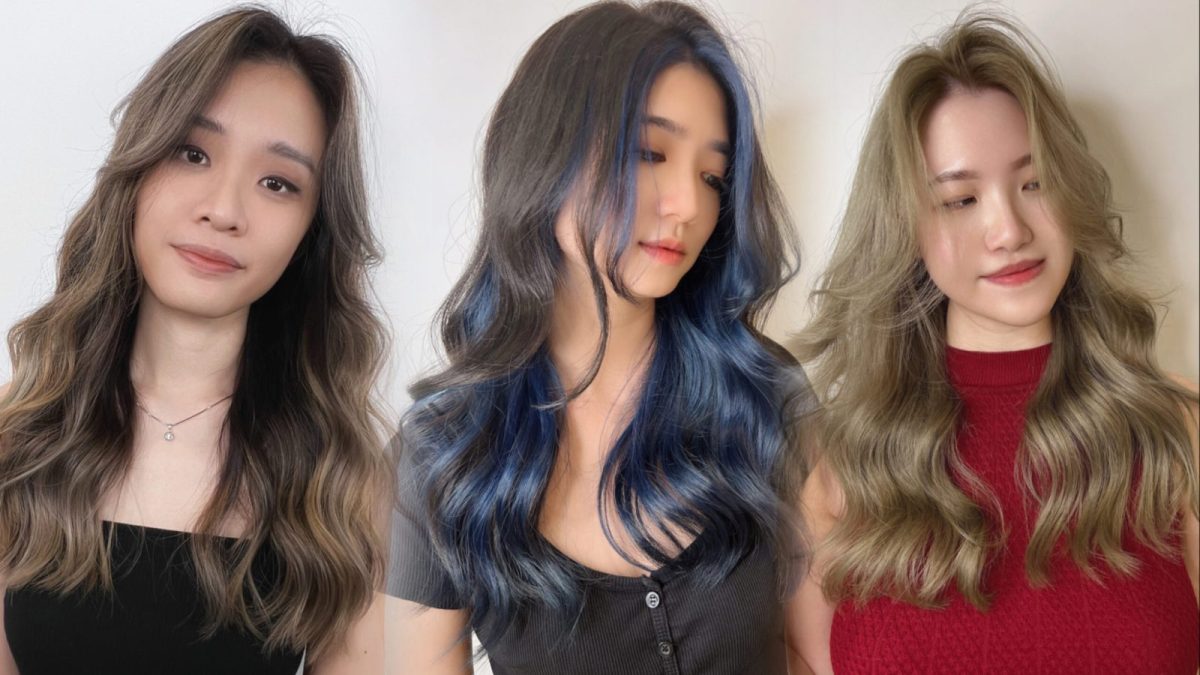
Colouring damaged hair is sometimes possible, but the right decision depends on how severe the damage is, what caused it and how dramatic a change you want to achieve. Dryness, frizz and rough ends do not always mean your hair is too fragile for colour. However, hair that breaks easily, feels unusually stretchy when wet or has been repeatedly bleached may need extra care before another chemical service. If you are exploring hair colour Singapore options, understanding your hair's condition can help you make a more informed decision. A professional assessment is especially important before bleaching, lightening or choosing a vivid shade that requires a pale base.
Singapore's humid climate can make damaged hair harder to manage. Moisture in the air may encourage frizz, while frequent washing, outdoor exposure and regular heat styling can contribute to dryness and tangling. It is easy to mistake hair that looks puffy or feels rough for hair that cannot be coloured at all, but appearance alone does not tell the whole story. The important step is to identify the condition of your hair, discuss previous treatments and choose a realistic colour plan. With appropriate professional advice, some people can still enjoy a colour change while prioritising hair strength and manageability.
1. Understand What Hair Damage Actually Means
Hair damage can develop gradually through bleaching, permanent colouring, chemical straightening, excessive heat styling or rough handling. These processes can affect the outer protective layer and the internal structure of the hair fibre, leaving strands more vulnerable to breakage and moisture loss. The result may be hair that looks dull, feels coarse or becomes difficult to detangle.
However, not every concern indicates the same level of damage. Hair may feel dry because it needs conditioning, while more significant chemical damage can affect its strength and elasticity. Distinguishing between these problems helps determine whether colouring is a reasonable option.
Look for these common signs:
- Dryness and roughness: Hair feels coarse, catches on the fingers or lacks its usual softness.
- Frequent tangling: The lengths knot easily, particularly after washing or exposure to humidity.
- Split ends: The ends appear frayed, making the hair look uneven and less polished.
- Breakage: Short pieces of hair appear along the lengths or around the hairline.
- Unusual stretching when wet: Hair stretches excessively or feels weak when handled gently.
If you notice several of these signs after bleaching or repeated chemical services, avoid attempting another colour correction at home. Arrange a professional assessment before deciding what to do next.
2. Know Which Colour Services Carry Greater Risks
The effect of colouring depends on the products used, the existing condition of the hair and the amount of chemical processing required. Some services mainly deposit colour, while others use lightening agents to remove natural or artificial pigment. These processes place different demands on the hair.
For example, a darker deposit-only shade may be more manageable for some damaged hair than bleaching it several levels lighter. However, even a darker colour needs to be selected carefully, especially if the hair has uneven porosity or a history of previous colour treatments.
|
Colour service |
What to consider if your hair is damaged |
|
Deposit-only colour |
May involve less structural stress than lightening, but product choice and previous colour still matter. |
|
Highlights |
Lightener affects selected sections, which may already be fragile from earlier treatments. |
|
Balayage or foilayage |
Placement can be customised, but the lightened sections still need careful assessment. |
|
Blonde transformations |
Often require significant lightening, which may be unsuitable for severely compromised hair. |
|
Pastel or vivid colours |
Frequently depend on a sufficiently light base, so the preparation stage can be demanding. |
These are general considerations rather than guarantees. A stylist should evaluate your hair and explain the likely limitations before recommending a particular technique.
3. Do Not Bleach Hair That Is Already Breaking Without Professional Advice
Bleaching can create striking results, from creamy blonde to silver and pastel pink, but it can also increase weakness in hair that has already undergone substantial processing. If your lengths are snapping, feel gummy when wet or have become extremely fragile, further lightening may make the problem worse.
Trying to achieve your desired shade in one appointment is not always realistic. Your colourist may recommend a darker or softer result, a staged transformation or a period of restorative care before considering additional lightening.
Before booking a major colour change, be prepared to discuss:
- Your colour history: Previous bleach, box dye, highlights and colour removers can influence the outcome.
- Your current hair condition: Explain any breakage, excessive tangling or unusual changes in texture.
- Your target shade: Bring reference photographs and ask what is achievable without placing unnecessary stress on the hair.
- Your maintenance routine: Frequent heat styling and limited time for aftercare may affect which result is practical.
If your hair is severely compromised, postponing bleaching may be the most sensible option. Protecting the remaining length is more important than achieving a particular shade immediately.
4. Consider a Less Intensive Colour Approach
If your hair is damaged but you still want a change, you may not need to abandon colouring altogether. A different shade or technique could offer a visible refresh without requiring the same level of lightening as your original plan.
For example, some clients may prefer a richer brunette, a subtle tonal adjustment or a softer blend between the natural roots and previously coloured lengths. These options can be worth discussing if your main concern is to improve the appearance of your colour while reducing additional processing.
Potential alternatives include:
- A darker or closer-to-natural shade: Depending on your colour history, this may reduce the need for further lightening.
- A gloss or toner: A suitable service may help adjust tone or enhance the appearance of existing colour, although it cannot repair structural damage.
- Carefully placed colour: A professional may be able to adapt the placement to avoid repeatedly processing the most fragile areas.
- A gradual transformation: Spreading a major colour change across several appointments may allow more time to assess the hair between sessions.
The right choice depends on your starting colour and the condition of each section. Previously lightened ends may need a different approach from healthy new growth, so a customised plan is often more useful than applying one formula everywhere.
5. Ask About Bond-Building and Restorative Treatments
Professional treatments can form part of a plan for managing chemically processed hair. Bond-building products, conditioning masks and restorative services may help improve the feel, strength or manageability of hair, depending on the product and the condition being treated. However, they should not be treated as permission to continue bleaching hair that is too fragile to withstand it.
Blonde & Pastel Hair Salon describes an approach that begins with a personalised consultation and assessment of hair condition, previous colour history and desired results. Its services include balayage, AirTouch, foilayage and highlights, alongside K18 and Olaplex treatment options. These details are relevant when considering colour because the service plan can take hair condition into account rather than focusing solely on the shade.
During your consultation, ask your stylist:
- Whether your hair is suitable for the proposed chemical service.
- Whether a restorative treatment would be appropriate before or after colouring.
- Whether the treatment is included or charged separately.
- What improvements you can reasonably expect and what it cannot fix.
- Whether you should postpone lightening or choose a less intensive option.
A treatment may improve manageability, but it cannot guarantee that damaged hair will return to its original condition. Honest advice about limitations is an important part of making a safe, realistic colour decision.
6. Adjust Your Haircare Routine for Singapore's Humidity
Damaged hair often reacts more noticeably to the tropical climate. Humidity can encourage strands to swell and become frizzy, while air-conditioning, sunlight and heat styling may contribute to dryness. When hair feels difficult to manage, repeated straightening or applying several styling products can create an unhelpful cycle.
Instead, focus on a routine that supports comfort and reduces unnecessary stress on the hair. Choose a shampoo suited to your scalp and condition the lengths consistently. Detangle gently, beginning at the ends, and reduce repeated passes with heated tools. If you blow-dry, use a suitable heat protectant and avoid relying on the highest temperature.
These habits can help you manage common concerns:
- Frizz: Use a lightweight smoothing product suited to your hair texture rather than layering heavy products.
- Dry ends: Apply conditioner or a suitable mask mainly through the mid-lengths and ends.
- Breakage: Handle wet hair carefully and avoid pulling tightly on fragile sections.
- Colour fading: Follow your colourist's advice on washing frequency and colour-safe products.
- Flat roots: Keep rich conditioners and styling creams away from the scalp if your roots become oily quickly.
Humidity itself does not mean coloured hair will inevitably become damaged. A balanced routine can make your hair more manageable while helping you avoid unnecessary heat and chemical processing.
7. Know When to Postpone Your Colour Appointment
Sometimes the best colour decision is to wait. If your hair is breaking extensively, feels unusually weak when wet or has been subjected to repeated bleaching in a short period, further chemical processing may not be advisable. A stylist may recommend a trim, a simpler colour service or a period of care before reconsidering your original goal.
Scalp condition also matters. If you have persistent irritation, sores or significant discomfort, mention this before any chemical service. Do not attempt to hide the symptoms with styling products or assume that the appointment must go ahead because it has already been booked.
A professional consultation should include a realistic discussion of your options. You may discover that a more subtle colour change can provide the refresh you want without the demands of a full transformation. Taking time to assess your hair is not a setback; it is a practical way to make a better-informed decision.
Final Thoughts
You may be able to colour damaged hair, but the answer depends on its strength, the cause of the damage and the type of colour service you want. Dryness and frizz do not automatically rule out colouring, whereas significant breakage or severe chemical damage calls for greater caution. Before committing to a new shade, discuss your hair history, ask about less intensive alternatives and understand what restorative treatments can realistically achieve. A carefully planned service is preferable to repeatedly processing fragile hair in pursuit of a quick transformation.
When exploring hair colour Singapore services, look for a salon that assesses your hair before recommending a technique. Blonde & Pastel Hair Salon offers personalised colour consultations, balayage, AirTouch, foilayage, highlights and blonde or pastel transformations, alongside treatment options for different hair needs. You can explore the services at blondeandpastelhairsalon.sg before discussing your goals with a colourist. With professional guidance, sensible expectations and consistent aftercare, you can make a more informed choice about whether to colour your hair now or allow it more time to recover.
Frequently Asked Questions
1. Can I colour my hair if it is dry and frizzy?
Possibly. Dryness and frizz do not always mean that hair is too damaged for colouring, particularly if the strands remain strong and do not break easily. A colourist can assess your hair's condition and recommend a suitable service. If lightening is not necessary, a less intensive colour option may be worth discussing.
2. Is it safe to bleach hair that has already been damaged?
Bleaching damaged hair can increase the risk of breakage, especially if the strands are already weak from previous chemical treatments. The risk depends on the hair's current condition, colour history and the amount of lightening required. A professional assessment is important before proceeding. If your hair is severely compromised, your stylist may recommend postponing bleaching or choosing a different shade.
3. Can bond-building treatments repair damaged hair before colouring?
Some bond-building and restorative treatments may help improve the condition, strength or manageability of chemically processed hair. The outcome depends on the treatment used and the extent of the damage. These products cannot guarantee complete restoration or make every colouring service suitable. Ask your stylist whether a treatment is appropriate and whether your hair is ready for further chemical processing.
4. What hair colour is best for damaged hair?
There is no single shade that suits every damaged head of hair. Depending on your colour history, a closer-to-natural shade or a service that avoids additional lightening may be more manageable than a major blonde or pastel transformation. Your stylist should consider the condition of your roots, mid-lengths and ends separately where necessary. The aim is to choose a result that reflects your preferences without placing unnecessary stress on fragile sections.
5. How can I care for coloured, damaged hair in Singapore?
Use a gentle cleansing routine, condition the lengths, detangle carefully and reduce unnecessary heat styling. In humid weather, lightweight smoothing products may help manage frizz without weighing down the roots. Follow your colourist's advice about colour-safe products and restorative treatments. If breakage continues or the hair becomes increasingly fragile, seek a professional assessment before booking another chemical service.