You get the estimate, scan the numbers, and your eyes go straight to the total. That reaction is normal. When your pet needs surgery, you are already worried about pain, recovery, and whether you are making the right call. A long list of charges can feel cold in a moment that is anything but. The hard part is that a pet surgery estimate is rarely just “the surgery.” It usually covers the exam, testing, anesthesia, monitoring, medications, supplies, recovery care, and follow up, all of which are common parts of veterinary care in Salmon Arm and Shuswap. Once you can see what each part does, the price starts to make more sense, even if it still feels heavy.
Pet surgery estimates are really care plans with prices attached. A higher total does not always mean overcharging, and a lower one does not always mean the same level of support. The details matter, especially when anesthesia, pain control, and monitoring can affect safety and comfort.
A surgery day starts before the first incision. Your pet may need bloodwork to check liver and kidney function, red and white blood cells, and other markers that help the team choose drugs and reduce risk. Washington State University explains why anesthesia planning matters and why monitoring during the procedure is part of safe care. You can read more about pets and anesthesia there.
That means the estimate often includes pre operative testing, an IV catheter, fluids, sedation, anesthesia drugs, sterile prep, surgical supplies, monitoring equipment, recovery support, and pain medication to go home. If your pet is older, has a heart murmur, or takes daily medication, the plan may need extra testing or a different anesthetic approach. That can raise the cost, but it also lowers the chance of preventable problems.
You may also notice separate fees for the surgeon, the nursing team, and hospitalization. That is because surgery is not a one person event. During many procedures, one person focuses on the operation while another tracks heart rate, blood pressure, oxygen, temperature, and depth of anesthesia. If something shifts, they respond right away. That support is part of the value behind a veterinary surgery estimate.
Procedure type changes the estimate because the risks and tools change
A soft tissue procedure and an orthopedic repair can both be called surgery, but they do not ask for the same equipment, skill set, or recovery plan. The University of Illinois outlines common owner questions about soft tissue surgery, including how pets are prepared and what recovery can involve. Their soft tissue surgery FAQ gives a clear picture of why estimates vary from one case to another.
Orthopedic procedures often carry another layer of cost because they may require implants, advanced imaging, longer anesthesia time, and stricter aftercare. Michigan State University’s owner information on orthopedic surgery shows how specialized these cases can be. A torn ligament repair, fracture repair, or joint surgery often involves planning that goes far beyond the procedure itself.
This is where sticker shock hits a lot of people. Two estimates can look far apart even when both are honest. One hospital may bundle services. Another may list every item line by line. One may include discharge medications and a recheck. Another may not. If you are comparing numbers alone, you can miss what is or is not included.
Comparing pet operation costs gets easier when you know what to look for
When you review pet operation costs, ask whether the estimate covers the full episode of care or only the procedure. A lower quote can become more expensive if key services are added later. A higher quote may already include the things that protect your pet during and after surgery.
| Estimate Item | Why It Is Included | What Happens If It Is Missing |
| Pre anesthetic exam and bloodwork | Checks for hidden issues that affect drug choice and safety | Higher risk of anesthesia complications going unnoticed |
| IV catheter and fluids | Gives quick access for medications and supports blood pressure | Slower response if an emergency happens during surgery |
| Anesthesia monitoring | Tracks oxygen, heart rate, blood pressure, and temperature | Changes in status may be caught later |
| Pain medication | Keeps your pet more comfortable during recovery | More stress, slower return to normal activity and appetite |
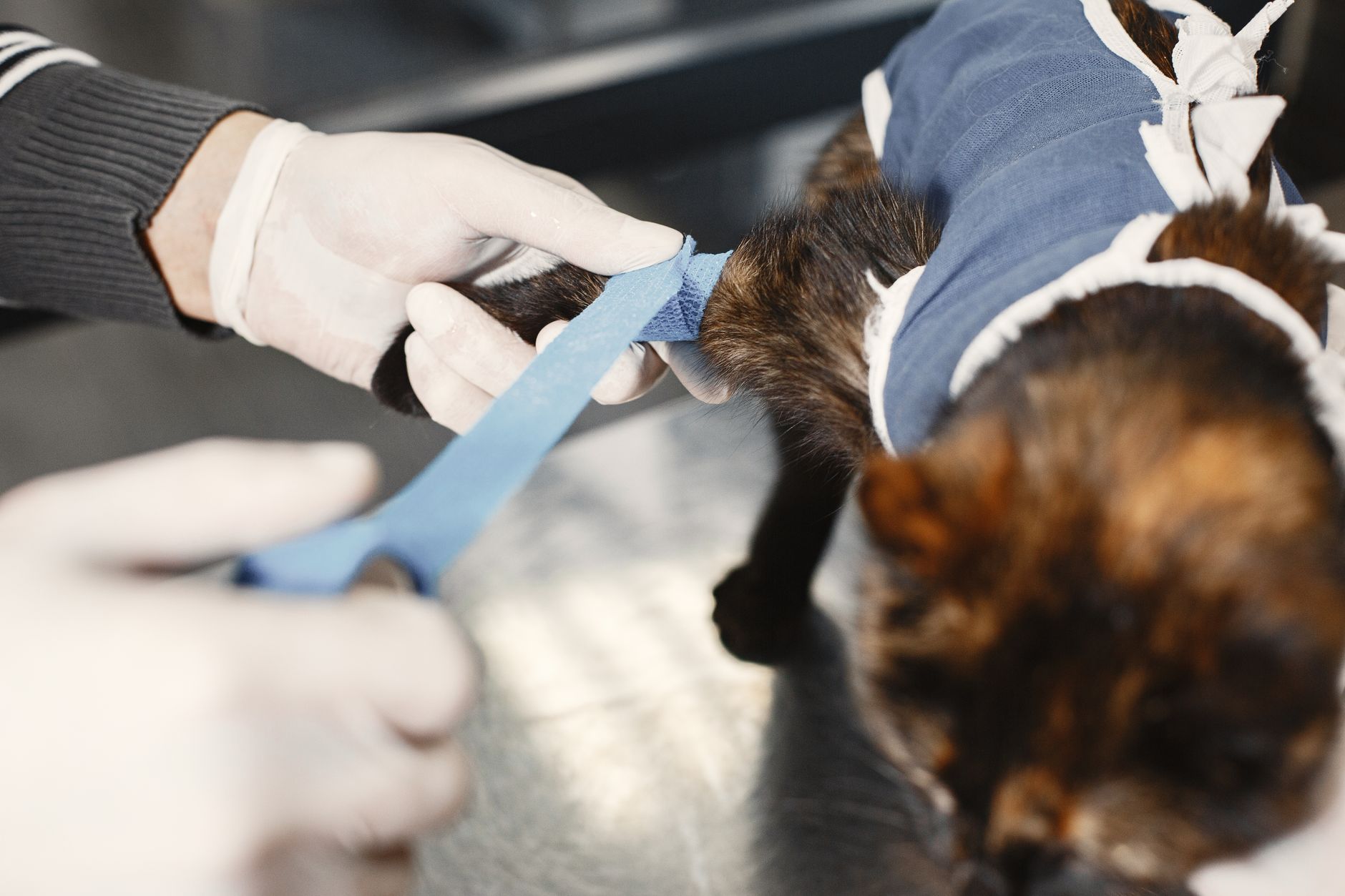
| E collar, bandage care, or discharge supplies | Protects the incision and supports healing at home | Higher chance of licking, swelling, or wound problems |
| Recheck visit | Confirms healing and catches issues early | Complications may grow before anyone sees them |
Clear steps help you evaluate a surgery estimate without panic
Ask for an itemized estimate. You are not being difficult. You are being careful. Ask what is included, what is optional, and what could change the final bill. If there is a range, ask what usually pushes the cost toward the higher end.
Match the estimate to your pet’s specific risks. Age, breed, weight, current medications, and the type of procedure all matter. If your pet has health issues, ask how the plan changes and why. That answer often explains a large part of the total.
Discuss recovery before the surgery happens. Ask about pain control, activity restriction, follow up visits, and what signs mean you should call right away. A good estimate should support the days after surgery, not just the procedure itself.
Understanding the total gives you more control
You do not need to love the price to understand it. You just need enough clarity to make an informed choice for your pet. When the estimate is broken down into medical decisions, safety steps, and recovery support, the numbers become less mysterious and more useful. If you are looking at a surgical quote now, ask for the details, compare what is truly included, and move forward with a plan that protects both your pet and your peace of mind.