

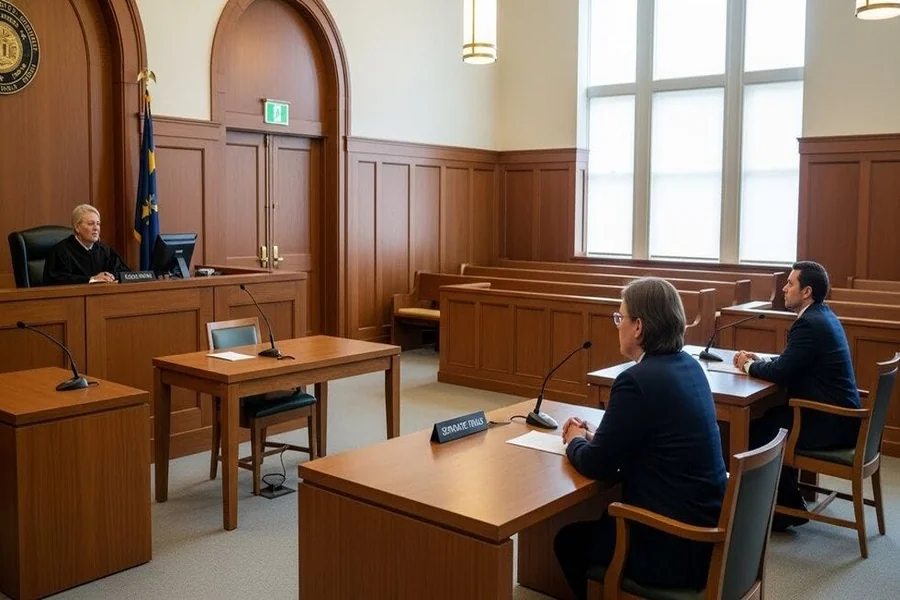
A domestic violence case can bring fear, stress, and many hard questions. What happens next? Can you contact the other person? What evidence matters? Will there be more than one hearing? These questions deserve clear answers. Kansas City domestic violence matters can involve criminal charges, protection orders, or both. The court handling the case depends on where the matter was filed and what type of case it is. There isn’t one single process for every person. Still, a few basic rules can help defendants protect their legal rights from the first hearing forward.
First Step: Know Which Court Has Your Case
Start with your court papers. Kansas City Municipal Court handles city ordinance cases. Missouri state courts handle state criminal charges and other matters within their authority. Protection order cases follow a civil court process. That means two people involved in the same dispute may face different court matters. It can get confusing fast. Check the court name, case number, hearing date, and any orders listed in your paperwork. Keep copies of everything you receive. If something doesn’t make sense, ask your lawyer before acting on it.
Don’t Ignore the First Hearing
Missing court can create another problem. Your first hearing may cover the charge, your rights, release terms, or the next court date. The exact steps depend on the case and court. You may not have a trial that day. That’s normal. Some cases take several hearings before reaching a final result. Other cases may end through a plea, dismissal, or another legal outcome. Your lawyer can explain what your hearing is meant to address. Showing up prepared is a good first move.
Protection Orders Need Careful Attention
A protection order is different from a criminal charge. It is a civil court matter. The order may restrict contact, communication, or other conduct between people. If you receive one, read every condition. Don’t assume a quick text message is harmless. Don’t ask a friend to pass along a message if the order blocks contact. Even contact meant to calm things down can create trouble. If you believe an order is unfair or incorrect, use the court process to challenge it. Don’t ignore it. Only the court can change the order.
Your Right to Legal Counsel Matters
A domestic violence charge can carry serious consequences. You may face fines, probation, restrictions, or other penalties. The case may also affect work, housing, family life, or future legal matters. That makes legal advice important. A defense lawyer can review the charge and explain your options. They can also examine evidence and raise legal issues when needed. If you cannot afford a lawyer, ask the court about available legal practice management system services or eligibility for appointed counsel. Don’t wait until the last hearing. Early advice can help prevent costly mistakes.
Be Careful With Statements
People often want to tell their side right away. That reaction is understandable. Still, statements can become part of a case. A casual comment to police, a text, or a social media post may later receive close attention. Don’t delete or change records. Don’t create new messages about the case without first speaking with your lawyer. You don’t need to solve the case through your phone. Let the legal process work.
Evidence Can Take Many Forms
Domestic violence cases may involve many types of evidence. That can include:
- Photos of injuries or property damage
- Text messages
- Emails
- Police reports
- Medical records
- Video or audio
- Phone records
- Witness testimony
- Physical items
The court does not simply accept every item because someone presents it. Evidence must meet the rules that apply to the hearing. A lawyer may object when evidence is not relevant or fails another legal requirement. Questions about hearsay, authenticity, or how evidence was gathered can also matter. The details count.
Witness Testimony Can Be Challenged
A witness may describe what they saw or heard. The court can consider that testimony with other evidence. A lawyer may also question the witness during cross-examination. That process can expose gaps or conflicts. Maybe the witness saw only part of an event. Perhaps a prior statement differs from later testimony. Those issues may affect how the court weighs the account. Still, a nervous witness isn’t automatically unreliable. A confident witness isn’t automatically right. The court must consider the full record.
Keep Track of Every Court Condition
Court orders aren’t suggestions. If the judge orders no contact, follow that rule. If you’re required to appear for a hearing, attend. If the court orders treatment, testing, or another condition, take it seriously. Keep a simple folder for your case. You might include:
- Court notices
- Protection orders
- Lawyer letters
- Treatment records
- Receipts
- Important dates
- Other case documents
A basic system can prevent missed deadlines. It’s not fancy. It works.
Where Do Kansas City Specialty Courts Fit?
Kansas City has specialty court programs that focus on specific needs. One example is Wellness Court. It serves eligible Kansas City Municipal Court participants with co-occurring substance use and mental health needs. Wellness Court is not a dedicated domestic violence court. Still, its treatment-based approach shows how some Kansas City court programs look beyond punishment. Participants work through treatment, court supervision, and goals tied to stability. Learn more about Kansas City Specialty Courts through Beyond the Bench KC. Beyond the Bench KC promotes awareness and community support for the rehabilitative mission of Kansas City’s Specialty Courts. Its mission centers on addressing root causes of criminal behavior and supporting lasting positive change.
What Community Support Can Add
Legal advice handles legal questions. Community support can help with other needs. A person may need housing, work, transportation, counseling, or medical care. Those problems don’t disappear because a court date ends. Beyond the Bench KC helps promote awareness of resources connected with Kansas City’s Specialty Courts. That support can matter when someone is trying to build better habits and avoid repeat court contact. It’s a practical part of the bigger picture.
What About the Person Reporting Abuse?
Protecting legal rights applies to everyone involved. A person reporting domestic violence may need safety planning, shelter, medical care, or legal help. A defendant also has legal rights and should receive fair treatment under the law. These ideas aren’t in conflict. The court must address the facts and apply the law while taking safety concerns seriously. If you’re at risk of harm, contact local emergency services or a qualified domestic violence support group.
What Should You Do Before Your Next Hearing?
Keep it simple. Know your court date. Read every court order. Save your records. Don’t contact someone when an order forbids contact. Don’t pressure witnesses. Don’t post about the case online. Then speak with a qualified Missouri lawyer. Ask what the next hearing covers. Ask what evidence may matter. Ask whether any court programs could apply. You don’t need to know every legal term. You need to know your next step.
Protecting Your Rights Takes Preparation
A Kansas City domestic violence case can feel overwhelming. But preparation can make the process easier to understand. Know which court has your case. Follow every order. Preserve evidence. Keep your appointments. Most of all, get legal help early. Kansas City has several court programs and community resources. Understanding where your case fits can help you make better choices. For information about Kansas City Specialty Courts, Beyond the Bench KC offers resources and community support tied to the Specialty Courts’ rehabilitative mission. A difficult court case does not need to become a series of avoidable mistakes. Take it one step at a time.
Frequently Asked Questions
1. What are my rights during a Kansas City domestic violence case?
Defendants have important legal rights, including the right to due process and the right to legal counsel in qualifying criminal cases. The exact rights and procedures depend on the type of case. A Missouri defense lawyer can explain which rights apply to your situation.
2. Can I contact the person who accused me?
A protection order or release condition may prohibit contact. Follow the exact terms of every court order. If you need clarification, ask your lawyer or the court before making contact.
3. Can text messages be used against me?
Text messages can become evidence when they meet the legal rules for the proceeding. Their meaning, timing, sender, context, and authenticity can matter. Never delete or alter messages related to your case.
4. Does every domestic violence case go through a special Kansas City court?
No. Cases can be handled in different courts based on the charge and filing. Kansas City Municipal Court has specialty programs, but not every domestic violence case enters a separate domestic violence court.
5. What does Beyond the Bench KC do?
Beyond the Bench KC promotes awareness and community support for Kansas City’s Specialty Courts. Its work supports rehabilitation and efforts to address root causes tied to criminal behavior. It also helps highlight community resources that can support positive change.
